Journal · Siding
Why replacing your home's siding might be the smartest upgrade you make this year
Siding is the house's armor, not its paint job. The damage that hides behind old panels, the materials that suit New Jersey, and what a replacement involves.
June 17, 20252 min readLegacy Construction & Landscaping
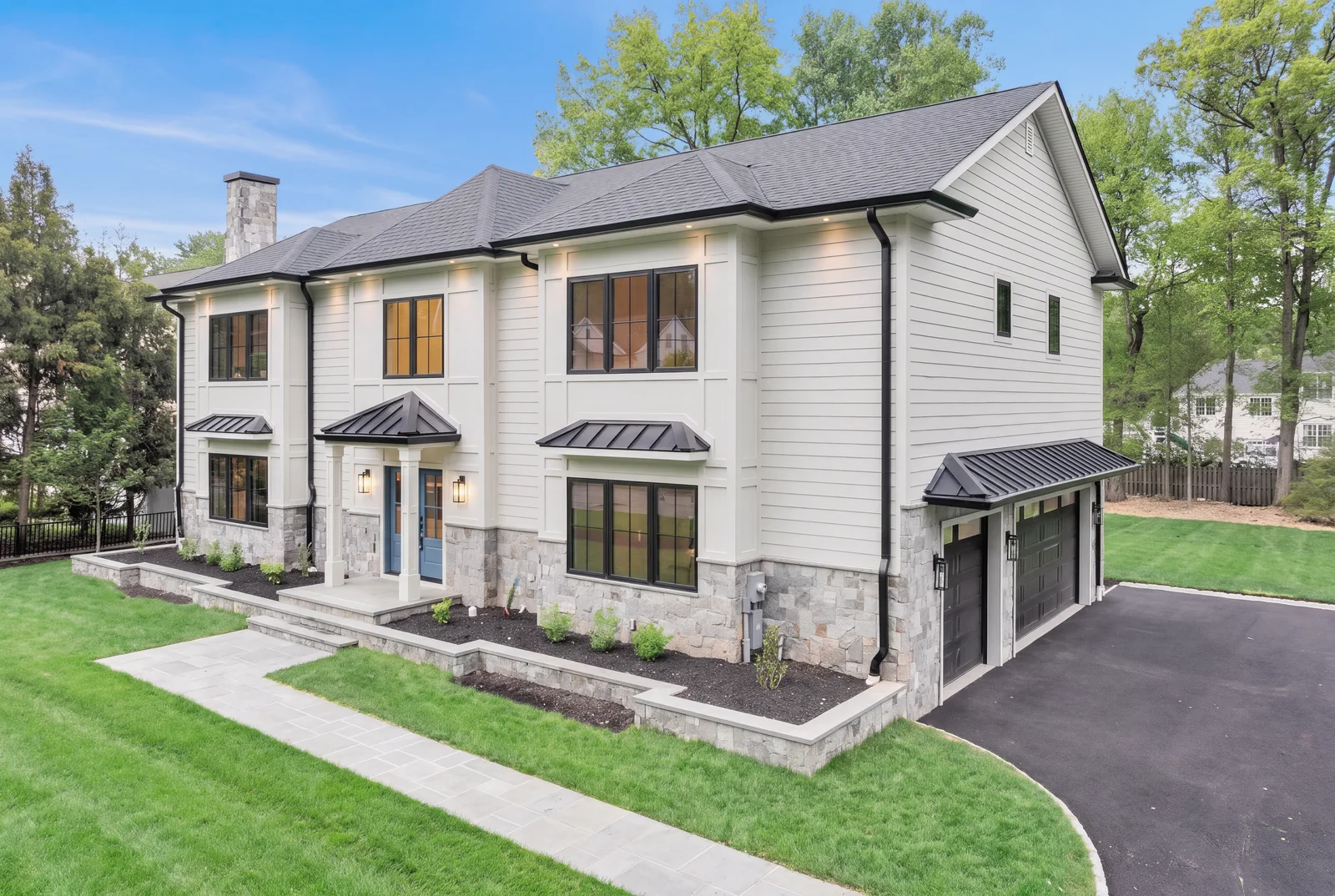
Most homeowners think of siding as cosmetic, a matter of color and curb appeal. But siding does far more than finish the house. It is the first line of defense against New Jersey's extremes: harsh winters, humid summers, salty coastal wind and everything between.
Replacing it is not the most glamorous project, but it can be one of the most valuable, for the house's protection and for its long-term equity.
Siding is the house's armor
Siding is the barrier between the house and the weather. When it works, it keeps moisture out, heat in, and drafts and pests away. Over time even good siding cracks, warps or fades, and a small gap turns into:
- Water damage beneath the panels.
- Mold or mildew in the insulation.
- Energy loss through poor sealing.
- Structural rot.
In New Jersey, freeze-thaw cycles and nor'easters wear down even quality materials, so the integrity of the siding is not something to overlook.
A smart investment
New siding protects the house and adds value. Fiber cement and vinyl replacements consistently rank among the top exterior projects for return, often recouping a large share of the cost at resale. Even if you are not selling soon, new siding can:
- Improve energy efficiency.
- Reduce maintenance.
- End the cycle of painting and patching.
- Modernize the look of the house in a week.
Choose the material for your house and your climate
Materials perform differently in different places. For New Jersey, fiber cement and insulated vinyl tend to do best, with weather resistance, low maintenance and plenty of colors and textures.
| Material | Pros | Best for |
|---|---|---|
| Vinyl | Affordable, low maintenance, moisture resistant | Budget-conscious projects |
| Fiber cement | Fire resistant, long lasting, upscale finish | Coastal or storm-prone homes |
| Engineered wood | Natural look, easier to install than solid wood | Traditional styles with better insulation |
| Metal | Durable, fire resistant, modern look | Minimalist and modern designs |
What a siding replacement involves
The crew removes the existing siding and inspects the structure beneath it. Often this is the first chance to see damage that has been hiding behind old panels. From there:
- A weather barrier (house wrap) goes on.
- Optional insulation boards or foam backing are added.
- The new siding is installed with proper flashing and sealing.
- Trim, corners and details are finished for a clean result.
Most projects take five to ten days, depending on the size of the house and the material.
Do not wait for the damage to spread
It is easy to put siding off when the damage is not obvious. But minor cracks and soft spots become real problems. If you have noticed:
- Warping or bubbling panels.
- Sections loose after storms.
- Paint peeling inside the house.
- Rising heating or cooling bills.
It may be time for an inspection.
Upgrade with confidence
We replace siding with quality materials and careful, detail-driven installation, and we show you exactly what we find behind the walls before recommending the fix. See roofing, siding and masonry.